The Event
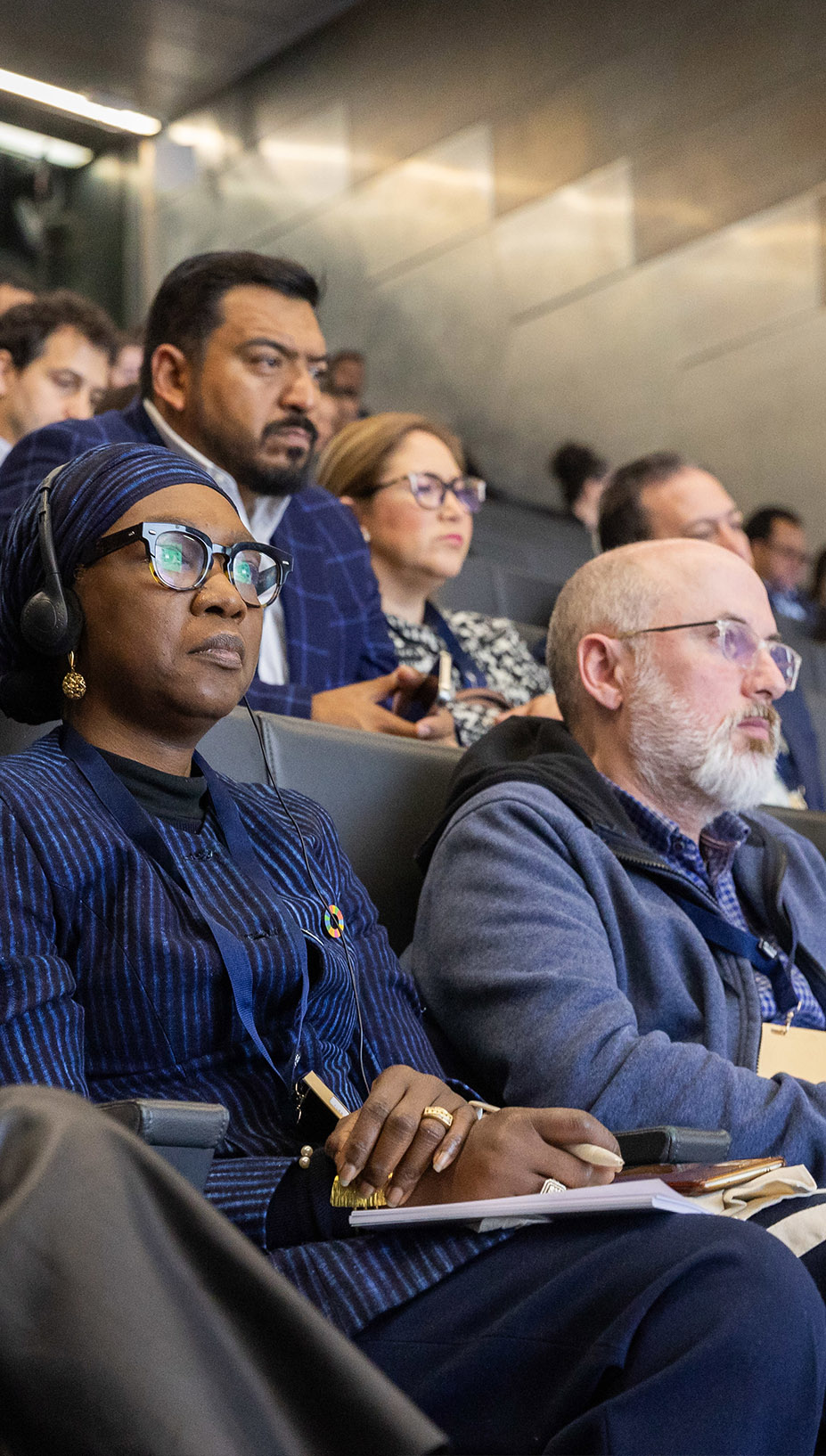
The World Forum on Local Economic Development is held periodically in different cities around the world, reflecting the diversity of territorial contexts and realities, strengthening the exchange of best practices, and promoting an approach tailored to local needs. Each edition brings together policymakers, technical experts, civil society, the private sector, academics, and international organizations committed to developing more inclusive, resilient, and sustainable economies.
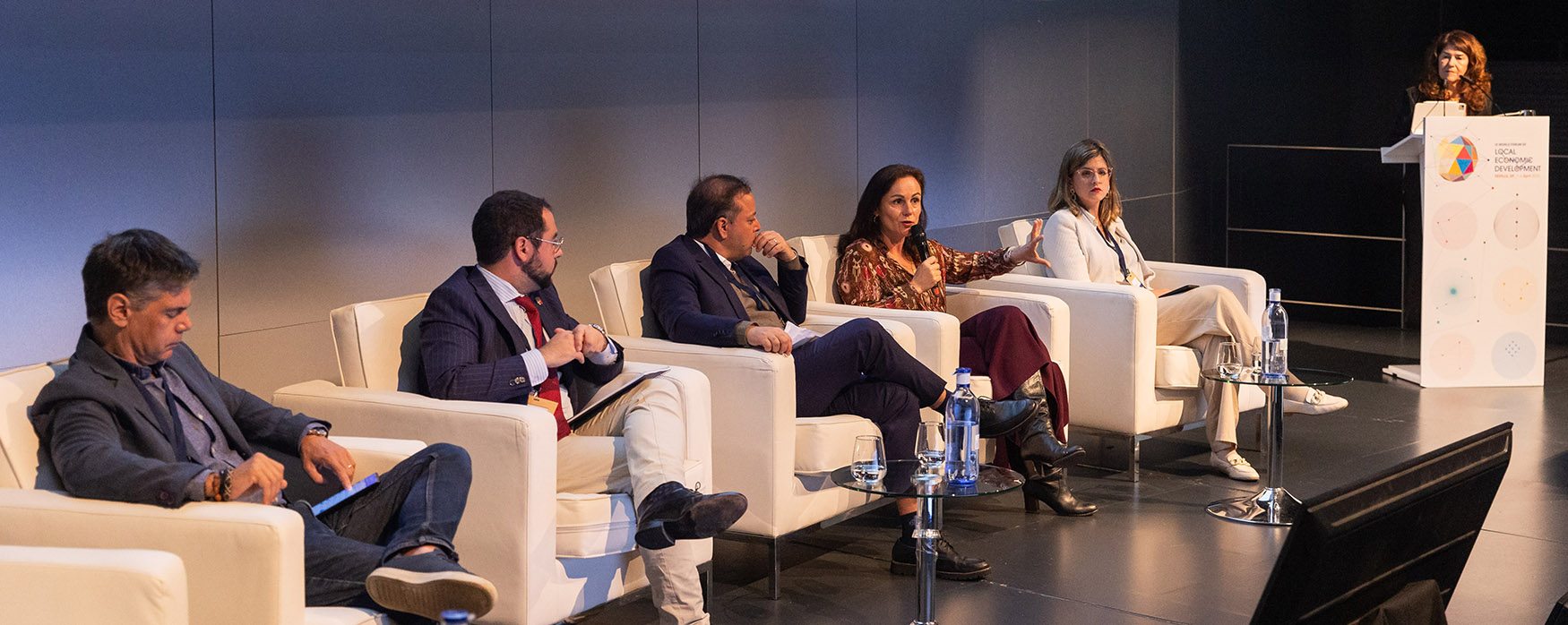
The first edition took place in Seville, Spain (2011), and laid the foundations for LED as a strategic response to the financial crisis, highlighting local governance and decent work.
In 2013, Foz do Iguaçu, Brazil, hosted the second Forum, where alternative models such as the social and solidarity economy were promoted and the event was consolidated as a space for political reflection from the territories.
The third edition, held in Turin, Italy (2015), coincided with the adoption of the 2030 Agenda, positioning LED as a key instrument for the localization of the SDGs.
In 2017, in Praia, Cape Verde, the Forum emphasized the role of territories in the face of global challenges such as climate change and inequality, highlighting local resilience and cooperation.
In 2021, the fifth edition was held in a hybrid format from Córdoba, Argentina, addressing post-COVID-19 recovery and promoting the care economy, inclusive digitalization and just transitions.
The sixth edition was held again in Seville in 2025, in a context of global crisis where the need to rethink development was emphasized, prioritizing decent work, sustainability and equity, and reaffirming the importance of territorial policies focused on human rights and with adequate funding.
THE VII FORUM
The seventh edition of the World Forum on Local Economic Development (WFLED) is highly relevant because it coincides with a crucial period for the implementation of the 2030 Agenda and the Sustainable Development Goals (SDGs).
The 7th WFLED will take place at a time when local and regional governments will play a key role in renewing these Sustainable Development Goals. It will also bring together diverse global stakeholders to foster policy dialogue, share experiences, and build partnerships, with the aim of strengthening local economic development. Its significance lies in its ability to mobilize efforts at both the local and global levels, integrating sustainability and equity as fundamental pillars for the future.
Its focus on international cooperation and the promotion of new economic models makes it an essential forum for addressing current challenges, and it will serve as a strategic platform to promote just transitions towards more sustainable, equitable and inclusive economic models.
The Forum’s implementation is directly integrated into local and national policies, providing both a framework for reflection and a collective roadmap for implementing more efficient and effective measures within the territory. The Forum allows for the alignment of development strategies for cities, regions, and central governments with global agendas, such as the 2030 Agenda, the New Urban Agenda, the Paris Agreement, the Addis Ababa Agreement, and the Sendai Framework for Disaster Risk Reduction. These strategies can then be adapted to local and national development plans, helping them to provide a more coherent, multi-stakeholder, and multi-level response to the specific challenges of each territory.